
Cleaning Vinyl Records Without Damaging the Grooves
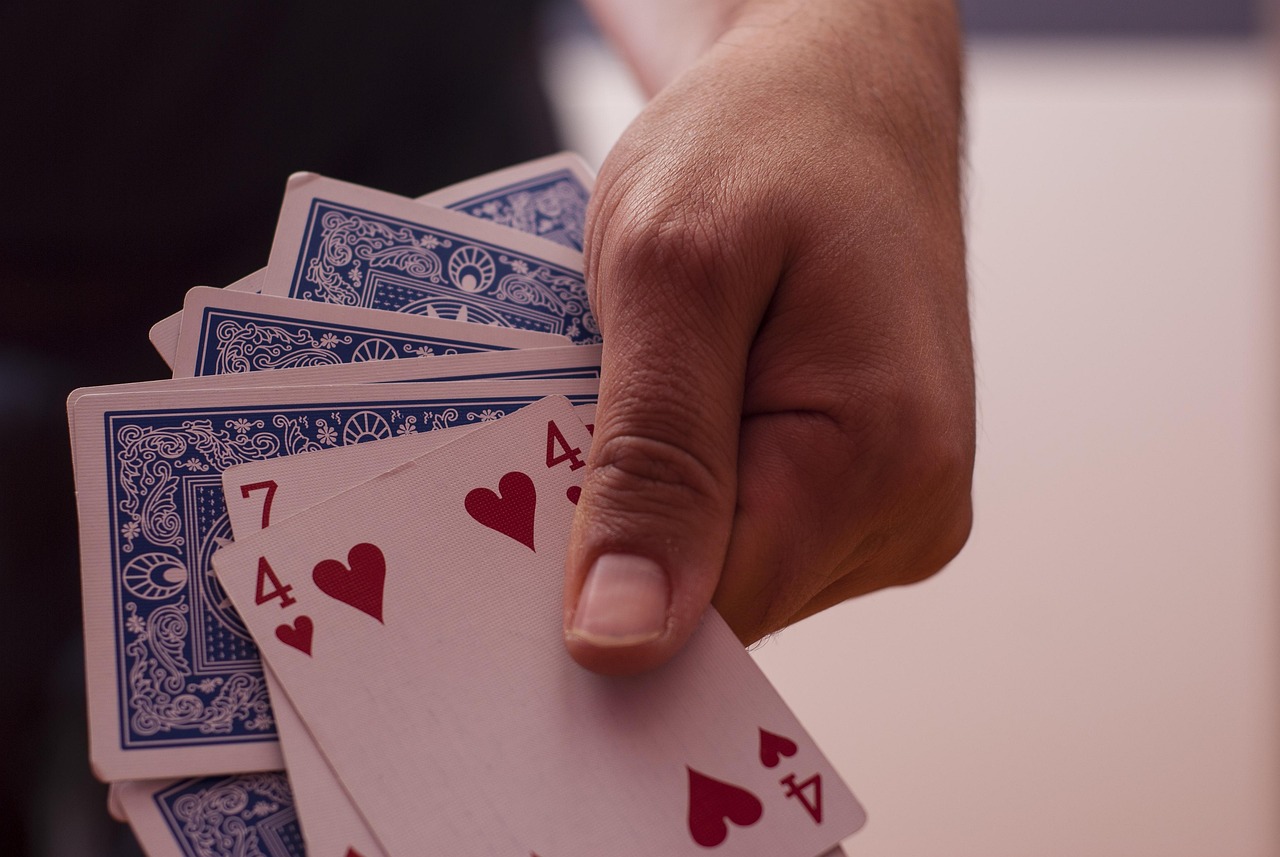
Nobody tells you this when you sign up for your first online casino account: the flashy part is the smallest part. The spinning reels, the animated dealers, the dopamine hit when a poker hand fills in—that's the entertainment layer. Underneath it sits a cold, mathematical machine, and the players who last more than a few months are the ones who figure that out early. This isn't a lecture about quitting gambling. It's an honest look at how iGaming actually works, whether you're chasing slots, grinding cash game poker, or trying to read a football line on a Sunday afternoon.
Slots: More Skill Than You Think, Less Than You Hope
Slots are the biggest revenue driver in online casinos, and for good reason. They're simple, they're fast, and the RNG doesn't care how you feel. But "pure luck" is a lazy take that misses some real, practical differences between machines and sessions.
Start with RTP, or return to player. A slot with 96.5% RTP returns, on average, 96.5 cents for every dollar wagered over millions of spins. A 94% slot returns two and a half cents less. Over 1,000 spins at $1 each, that gap is $25—real money you didn't see evaporate. Casinos don't advertise RTP prominently, but regulators often require it, so you can find it in the paytable or the game's help screen. If a game hides it, that tells you something.
Then there's volatility. Low-volatility slots pay small, frequent wins—decent for stretching a bankroll. High-volatility games like many Megaways titles can go 200 spins without a feature, then hand you 500x on a single bonus round. Neither is better; they suit different sessions. Matching volatility to your bankroll and patience is one of the few genuine "strategies" available in slots.
- Check the max win. Some games cap at 5,000x; others advertise 50,000x or "unlimited." That ceiling shapes how rare the big hits are.
- Play the demo first. Free versions in most online casinos run the same math without the betting. Spin 100 times and watch how often you actually hit something.
- Understand bonus buy mechanics. Buying a feature might cost 100x your stake with a slightly different RTP than natural triggers—often lower.
None of that beats the house edge long-term. What it does is stop you from making the dumb version of an already-negative bet.
Poker: The One Game Where the House Sits Out
Online poker is a different beast. The casino takes a rake—usually 5% of the pot capped at a few dollars—and otherwise lets players fight each other. That single detail makes poker the only major iGaming vertical where a disciplined player can win over thousands of hands.
But "can" is load-bearing. Here's what separates the winners: For practical tips, check out สล็อตเว็บตรง.
- Position discipline. Playing too many hands from early position bleeds money. Tight from the front, aggressive from the button—this isn't optional.
- Bankroll management. A common rule for cash games is having at least 20 buy-ins for your stake. If you're playing $0.50/$1 no-limit with a $300 roll, you're one bad session from dropping down or busting.
- Expectation setting. Winning players often see a long-term win rate in the range of 3 to 8 big blinds per 100 hands. That's it. Anyone promising more is selling something.
Modern poker rooms also run tournaments, and that's a different beast again. MTT variance is brutal—you can play perfectly for six hours and bubble 20 places short. It's why pros track results in thousands of tournaments, not dozens.
Sports Betting: Where Information Has Value
Sports betting is the vertical where a bit of genuine edge exists, though it's smaller and harder to find than the marketing suggests. Bookmakers aren't guessing—they're pricing events with sophisticated models and margins baked into the odds.
Take a simple example. A fair coin flip should be priced at even money (+100 in American odds). A sportsbook might offer -105 for both sides. If you bet $105, you win $100 on a correct call, so every losing bet loses more than a winning bet wins. That's the vig, or juice, typically around 4-5% on a standard two-way market. To beat it consistently, your predictions need to outpace the book's model—no small feat.
Where amateur bettors occasionally find value: line shopping across multiple books for better prices, exploiting promotions and boosted odds responsibly, and focusing on markets books care less about (niche leagues, prop bets). Sharp bettors also understand implied probability. Odds of -150 mean the book thinks there's a 60% chance. If you sincerely believe the true probability is 65%, that's a bet. If you just have a feeling, it's entertainment.
Bonuses and the Fine Print Nobody Reads
Welcome offers and reload bonuses are the industry's hook, and the terms are where people get burned. A "100% up to $500" bonus sounds like free money. Then you read the wagering requirement: 35x. That means before withdrawing any bonus winnings, you need to wager the bonus amount—or sometimes the bonus plus deposit—35 times. At 35x on a $500 bonus, that's $17,500 in action, usually on slots with a 96% RTP. Expected loss on a game like that is around $700. You see the trap.
Not all bonuses are bad. A good rule: if the wagering requirement is brutal, the game contribution toward it is low (table games often count 10% or not at all), or the max cashout is capped, treat the bonus as a marketing tool, not a strategy.
The Numbers That Actually Matter
Every vertical in iGaming comes down to a handful of statistics most players ignore:
- House edge: 2.7% on European roulette, 0.5% on blackjack with proper play, 2-15% on slots depending on the game.
- RTP and volatility for slot selection.
- Win rate in big blinds per 100 hands for poker—the only number that reflects real skill edge.
- Vig and implied probability in sports betting.
- Wagering requirements and cashout caps for bonuses.
Ignore these and you're relying on vibes. Understand them and you'll still probably lose—but you'll know exactly why, and you'll stop doing it in the ways that hurt most.
What the House Doesn't Want You to Forget
The mathematical reality of iGaming is that, apart from skilled poker and the sharpest sports bettors, almost every player is, over enough time, an expected loser. That's not a moral judgment; it's the business model. Casinos run on a few percentage points of edge and enormous volume.
Which is exactly why the thinking player treats iGaming as paid entertainment, not an income source. Set a budget you can afford to lose outright, treat it as the price of a night's tension and excitement, and walk away when it's gone. If slots take your money slowly, if poker asks you to study for hundreds of hours to earn a modest hourly rate, and if sports betting demands a humility about how little you actually know—those aren't reasons to avoid iGaming. They're the reasons it stays interesting for the people who take it seriously.
The glitz is fine. Just don't mistake it for the game.
LEAVE A COMMENT