
How to Start a Vinyl Collection on a Budget
Why the Deck Comes First
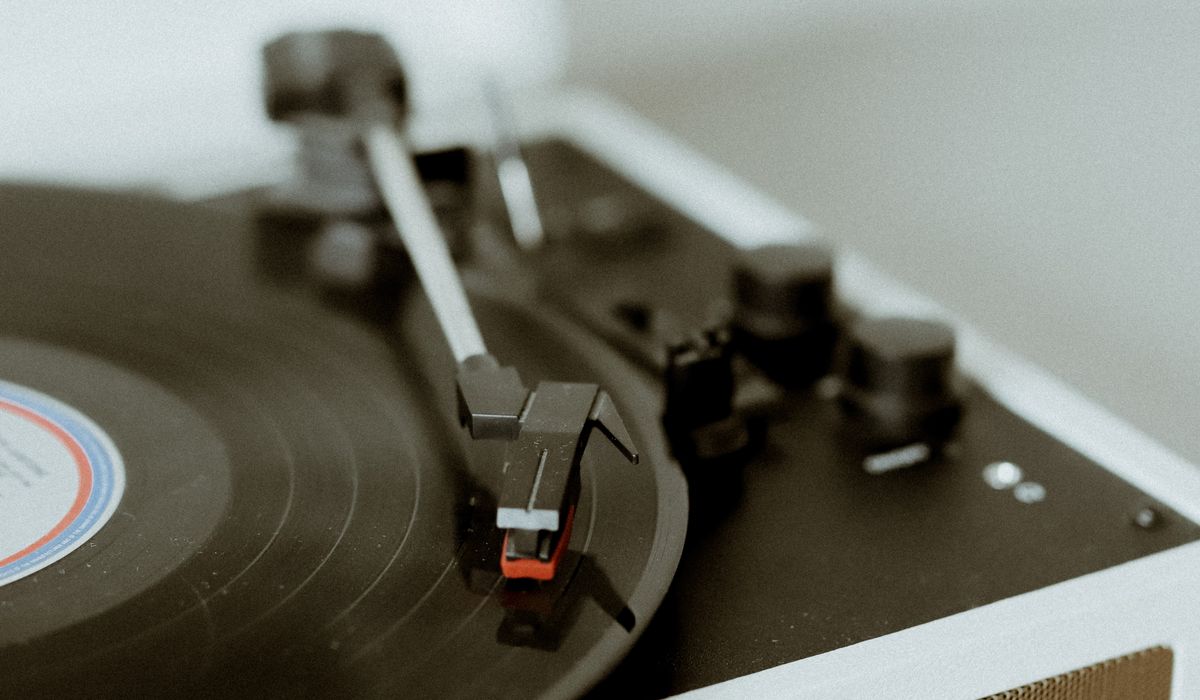
A serious turntable is not an accessory to your records; it is the instrument that reads them. Everything downstream — the phono stage, the amplifier, the speakers — can only work with the signal the deck and cartridge hand over. If that signal arrives with rumble, pitch drift and a plinth resonating along with the music, no amount of clever electronics will put it right. The sensible approach is to spend your money where the mechanical work happens, and to accept that a few well-chosen essentials will always beat a long list of features.
This is the point at which many people overspend in the wrong direction. A deck bristling with Bluetooth, USB output and built-in speakers may look like better value, but those additions rarely cost much to include and rarely contribute anything to the sound. A simpler deck with a heavy platter, a quiet bearing and a well-made arm will outlast and outperform it every time.
Build Quality You Can Feel
You can judge a great deal in the first thirty seconds with a deck. Rest your hand on the plinth and give it a gentle nudge — it should feel inert and solid, not hollow or lively. Tap the platter and listen for a dull thud rather than a ringing tone. Spin the platter by hand and feel for roughness or play in the bearing; a good one turns freely and silently, while a worn or cheap one will rumble its way into quiet passages.
- Plinth and platter mass: extra mass absorbs vibration and steadies rotation. Dense MDF, solid timber and machined metal all work well; thin plastic rarely does.
- Bearing and spindle: the single most important mechanical component. Ask how it is adjusted and whether it can be serviced.
- Tonearm bearings: the arm should swing freely with no detectable play. Any grittiness here is a deal-breaker, so test it before you buy.
- Motor and speed stability: a deck that drifts audibly will ruin piano and sustained vocals, whatever cartridge sits on the end of the arm.
- Feet and suspension: decent isolation is part of the design, not an afterthought. A deck that skips when you walk past is telling you something.
None of this is glamorous, but it is the difference between a turntable you keep for fifteen years and one you quietly stop using after six months.
The Cartridge Is Where the Sound Lives
The cartridge is the one component that physically touches the record, and it has more influence on tone than anything else in the chain. Most decks in the entry-to-mid range arrive with a moving magnet cartridge already fitted, and these are often perfectly decent — enough to get you playing records the same afternoon. The important thing is that the cartridge is replaceable and upgradeable, ideally with a standard half-inch mount and a removable headshell so you can swap it without dismantling the arm.
Moving magnet designs track well, offer user-replaceable styli and cost far less to run. Moving coil cartridges generally resolve more detail and sound more open, but they cost more, need more gain from your phono stage, and usually require a specialist to retip. For a first serious deck, a good moving magnet is the sensible place to start — and it leaves you something to look forward to.
Budget roughly a third of your total outlay for the cartridge if you are buying separately, and do not be tempted to fit an expensive cartridge to a deck whose arm and bearing cannot do it justice. The reverse is far more rewarding.
Choose a Deck You Can Grow Into
An upgrade path matters more than any single specification. Belt-drive decks are simple, quiet and easy to maintain, and the belt is a cheap consumable rather than a service bill. Direct-drive decks offer instant speed stability and torque, which suits some listeners enormously. Either can be excellent; what counts is whether the deck gives you room to move.
- A standard-mount tonearm so cartridges can be changed freely for years to come.
- Adjustable tracking force and anti-skate, ideally with a proper counterweight rather than a spring.
- A separate phono stage, or at least the ability to bypass a built-in one when you upgrade.
- Spare parts availability — belts, styli and mats should be easy to source, not discontinued.
Buy the best mechanical platform you can afford, then improve the cartridge later. That is the classic route, and it still works.
Features That Won't Improve Your Listening
Be sceptical of anything that does not touch the record, hold the record or turn the record. Built-in speakers, Bluetooth transmission and USB ripping are conveniences, not improvements, and they often sit alongside compromised mechanics. Automatic operation is pleasant but adds complexity and potential failure points. Speed-change buttons are handy; exotic plinth finishes are not worth a premium. Spend on the bearing, the platter, the arm and the cartridge instead, and put the rest towards a decent record cleaning brush and a carbon-fibre stylus brush.
Setting It Up Properly
The best deck in the shop will sound ordinary if it is badly set up. Place it on a rigid, level surface well away from speakers, and keep the lid closed or removed while playing. Set tracking force to the cartridge manufacturer's recommended figure using a proper gauge rather than the arm's own markings, adjust anti-skate to match, and check that the arm sits parallel to the record surface. Clean every record before it plays and lower the stylus with the cueing lever, not by hand.
Do these things and a modest, well-built turntable will reward you for years — quietly, steadily and without fuss.
LEAVE A COMMENT