
Protecting Records During a House Move
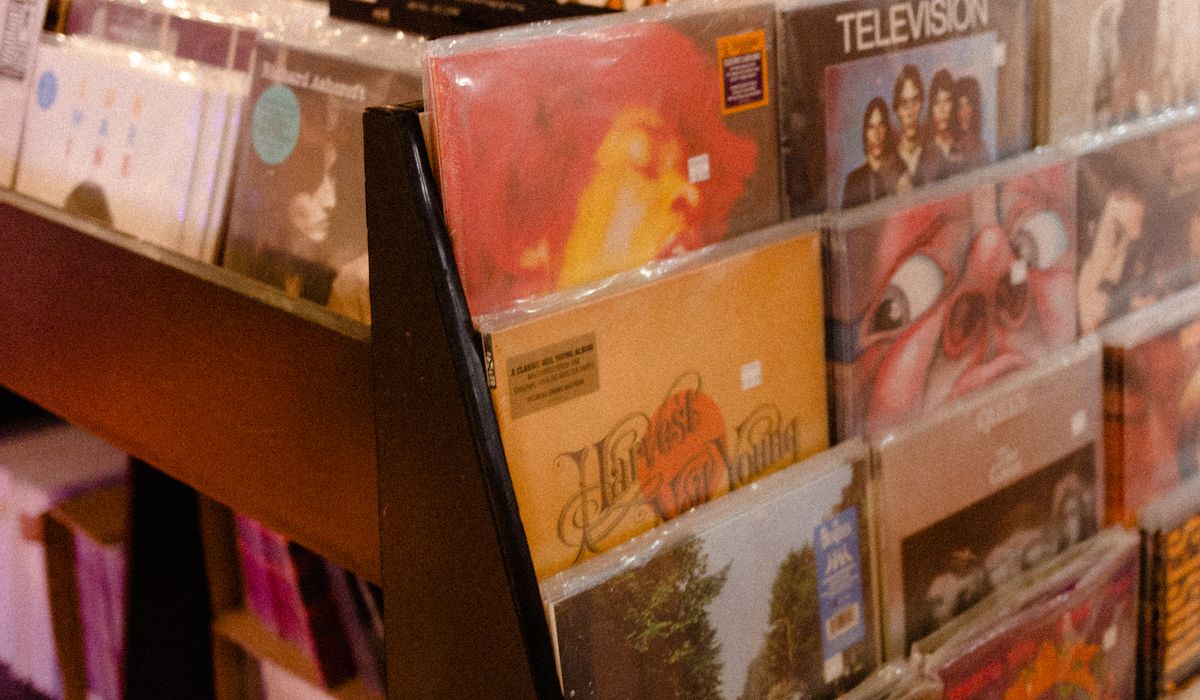
The Charity Shop Staple That Isn't Always Common
You have seen them a hundred times: battered copies of hugely popular albums, priced at 50p in a charity shop or a car boot sale. It is easy to assume they are worthless. Yet some of those very records can fetch surprising sums. The secret is rarely the title itself. It lies in the details — a first pressing, a deleted mix, a misprinted sleeve or a label error. These quirks turn a humble bin-filler into a genuine collectible. This guide explains what to look for, how to care for your finds, and how to get the best from them at home.
Pressings, Matrix Numbers and the Dead Wax
When a record is manufactured, the metal parts that stamp the vinyl carry codes. These appear in the run-out groove — the smooth area between the last track and the label, often called the dead wax. You will see letters, numbers and symbols etched or stamped there. These tell you which pressing plant made the record, which mastering engineer cut it, and whether it is an early or late pressing. A first pressing from the country of origin is usually more desirable than a later reissue from another territory.
Check the following before you dismiss a common album:
- Matrix numbers: The code in the dead wax should match the earliest known pressing. A "1" or "A" at the start often indicates a first stamper.
- Label design: Early labels often have different colours, fonts or logos compared to later pressings. A label variation can double the value.
- Sleeve printing: Look for laminated covers, textured sleeves, or gatefold designs that were only used on the first run. Later issues often use cheaper card.
- Country of manufacture: A UK or US first pressing of a British band is often worth more than a European or Australasian pressing.
Condition matters enormously. A rare pressing in poor condition may be worth less than a common one in mint shape. Always grade honestly.
Deleted Mixes and Alternate Versions
Sometimes a record is released, then the mix is changed for later pressings. Perhaps a guitar solo was removed, a vocal was re-recorded, or a single version was swapped for an album version. If you own an early copy with the original mix, you have something special. Collectors call these "deleted mixes" because the original version was withdrawn from subsequent pressings.
Mono and stereo can also matter. In the 1960s, many albums were mixed separately for mono and stereo. Some collectors prefer the mono mix, which often has more punch and a cohesive sound. Fake stereo — where a mono recording is electronically reprocessed to simulate stereo — is usually less desirable. Check the label and sleeve for the words "mono" or "stereo", and compare the catalogue number with known variants. A simple rule: if the mix sounds different from the one you know, investigate further.
Mistakes, Misprints and Artwork Errors
Errors happen. A track name is misspelled. The running order on the sleeve does not match the record. A label is stuck on the wrong side. A photograph is printed upside down. When a mistake is noticed, it is usually corrected quickly, so the error copies become rare. Not every mistake adds value — it must be a recognised variant that collectors actively seek. The most desirable errors are those that affect the artwork, the track listing, or the label itself.
Look out for:
- Misspelled artist or track names on the sleeve or label.
- Wrong track order printed on the back cover.
- Misaligned labels where the text is off-centre or the hole is punched incorrectly.
- Colour variations in the sleeve printing, often caused by a ink run change.
Again, condition is key. A torn sleeve or a scratched record will reduce value, even if the error is rare.
Caring for Your Vinyl at Home
Once you have a record worth keeping, look after it. Dirt and static are the enemies of good sound and long life. Always handle records by the edges and the label only. Never touch the playing surface. Store them vertically, like books, away from direct sunlight and heat. A warped record is a sad record.
Clean every record before you play it, even if it looks clean. Use a carbon fibre brush to remove loose dust. For a deeper clean, use a record cleaning machine or a manual method with distilled water and a tiny amount of mild surfactant. Avoid alcohol on shellac 78s, but it is safe for vinyl. Replace your inner sleeves with anti-static ones. Keep your stylus clean with a small brush, and replace it after around 500 hours of use. A worn stylus damages records silently.
Setting Up for Listening
A good home listening setup does not need to cost a fortune. Start with a level turntable. Adjust the tracking force to the cartridge manufacturer's recommendation — too light and the stylus skips; too heavy and it wears the groove. Set the anti-skate to match. Make sure your speakers are on a stable surface, ideally not the same shelf as the turntable. Even a modest system will reveal the difference between a clean first pressing and a noisy later one.
Take your time. Play a record from start to finish. Listen for surface noise, distortion, or a lack of high frequencies. If something sounds wrong, stop and check the stylus and the record. The joy of collecting is not just in the value, but in the ritual: the smell of old cardboard, the crackle of a well-loved disc, and the thrill of finding a common record that turns out to be anything but.
LEAVE A COMMENT