
Selling Inherited Vinyl Without Making Costly Mistakes
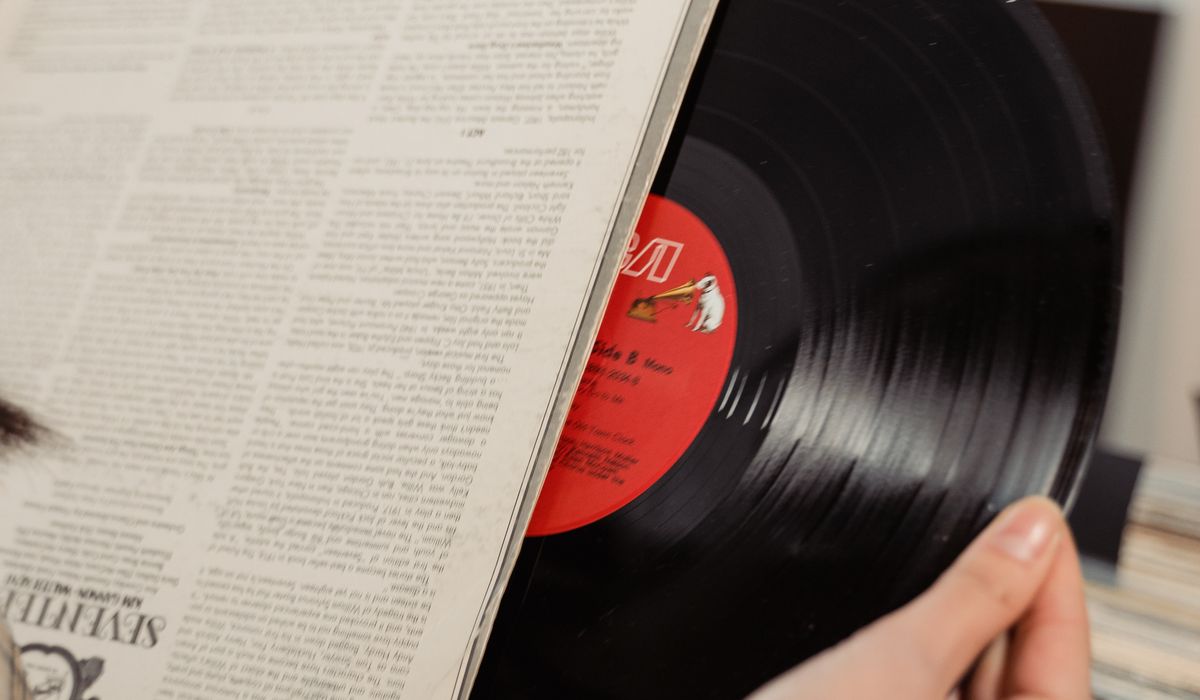
Start with the personal, not the price guide
When you inherit a stack of records from a parent, grandparent or old friend, the first instinct might be to check the book price. But a family collection is rarely about mint-condition first pressings. The real treasure is often the handwritten note on the back of the sleeve, the fading sticker from a long-gone shop, or the dedication in biro on the label. These marks turn a mass-produced LP into a single, irreplaceable object. Before you sort, clean or value anything, sit down and look at each record as a piece of personal history.
Read the sleeve like a letter
Notes and dedications are the most direct clues. They might say “To Mum, Christmas 1974” or “Happy birthday, love always”. Check the front and back of the outer sleeve, the inner sleeve, and the record label itself. Look for dates, full names, initials, and places. A record with a dedication was likely a gift. A signature inside could link to a relative you never met. Use a pencil and paper to note down what you find, or take photographs. Do not try to remove ink or stickers unless you are certain they are not part of the story.
- Dedications: “For Sandra, on her 21st” or “To Dad, from your loving son”.
- Signatures: A full name, initials, or a nickname can identify the original owner.
- Dates: A specific day, month or year gives context to the music and the moment.
Old shop stickers and regional clues
Before chain stores and online marketplaces, most towns had independent record shops. The sticker on the front or back—often a small rectangle with the shop’s name, address and sometimes a price—is a mini time capsule. It might read “J. Smith, Records, 14 High Street” or “Harold’s Music, Blackpool”. These stickers show where the record was bought, perhaps on a family holiday, or from a shop that closed decades ago. They also show prices in old money, which can date the purchase precisely. Do not soak them off. They add provenance and charm. If a sticker is loose, press it back gently with a warm iron over a cloth, but never use heat directly on the vinyl.
Clean for play, not for perfection
Sentimental value does not mean you cannot play the records. In fact, playing them is part of keeping the memory alive. But you need to care for them properly. First, inspect for dirt, mould and scratches. Use a carbon fibre brush for dry dust. For deeper cleaning, use a record cleaning solution and a soft lint-free cloth, or a proper cleaning machine if you have access. Never use alcohol on shellac 78s. Always clean along the grooves, not across them. Replace old paper inner sleeves with anti-static ones. Keep the original inner sleeve if it has notes or stickers—store it separately but keep it. Store records vertically, not stacked. Keep them away from radiators, direct sunlight and damp. A stable room temperature is best.
Set up a safe home listening space
If you inherited a record player, get it serviced or at least check the belt and stylus. A worn stylus can damage records, so replace it if you are unsure of its age. Use a tracking force gauge and set the anti-skate correctly. Clean the stylus with a brush before each session. Play records at the correct speed: 33⅓ for LPs, 45 for singles, and 78 for shellac. If you have 78s, you need a dedicated stylus and speed—do not use a modern stereo stylus on them. For LPs and 45s, a conical or elliptical stylus is fine. Listen at moderate volume. The pops and crackles are part of the history. Do not try to digitise with heavy noise reduction that removes the character. If you want to record them, use a good analogue-to-digital converter and keep a flat transfer as an archive.
Document and share the stories
Finally, record what you find. Write down the notes, the stickers, the dedications. Interview older relatives while you can. Ask who owned which record, where it was bought, and what it meant. Create a simple index: artist, title, condition, and the personal story. That index is as valuable as the vinyl itself. If you decide to pass records on, include the stories. A record with a known history is far more likely to be cherished than a random LP. And if you keep them, play them on special occasions—birthdays, anniversaries, quiet Sundays. The music will carry the memories forward, and the sleeve notes will keep the voices close.
LEAVE A COMMENT