
Understanding Record Grading Before You Sell
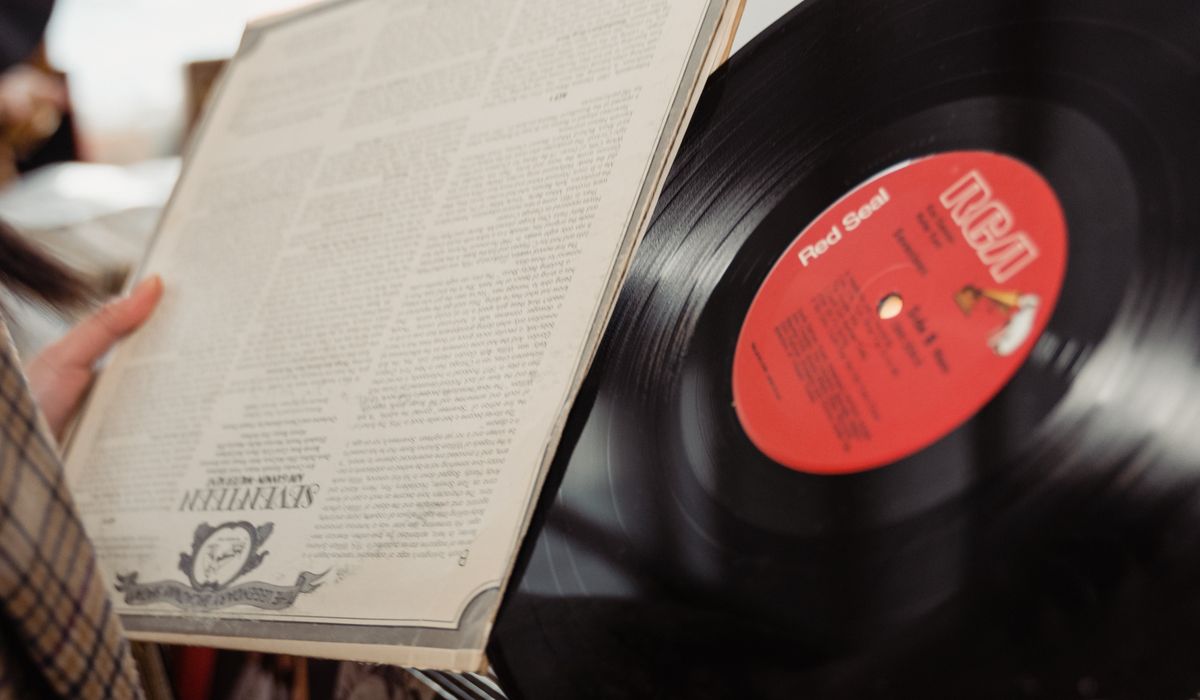
There's a particular pleasure in being handed a box of old records — the dusty cardboard, the smell of old paper, the sense that someone's Tuesday evenings are packed inside. But before you start dreaming of a hidden treasure, slow down. A little methodical checking will tell you far more about what you've got than flipping through at speed, and it'll stop you damaging the very things you're hoping to keep.
Before You Pull Anything Out
Work somewhere with good light and a clear, soft surface. Pull the records out one at a time, sliding the disc from the sleeve with two fingers on the label and your thumb on the rim — never on the playing surface. Handle them by the edges and label only. If your hands are grubby, wash them; skin oils and grit are two of the main causes of permanent surface noise.
As you go, make three loose piles: interesting, ordinary and dubious. Don't commit to keeping anything yet. The point of the first pass is to build a picture of the collection, not to decide its fate.
Labels, Pressings and the Numbers in the Dead Wax
The label itself tells a story. Look for independent labels with short catalogue runs, unusual colour pressings, or sleeves with a laminated flipback design — those tend to date from the early to mid-1960s and often indicate an earlier issue than a later, glossier reprint. A sleeve printed in one country with a disc pressed in another is worth a second look too.
Now tip the record towards the light and examine the smooth run-out area near the label, the so-called dead wax. You're looking for:
- Matrix numbers stamped or handwritten, often with a suffix letter or number that identifies the stamper. Earlier stampers are generally prized over later ones.
- Mono or stereo markings, and any indication that a mono pressing was made from a separate mix rather than a fold-down of the stereo one. Some collectors will pay a real premium for that.
- Pressing plant codes — small letters or symbols that tell you where the disc was made. Two copies of the same album can be worth very different sums on this alone.
- Misprints and oddities: a misspelt title, a misaligned label, a sleeve that lists a track the record doesn't contain. These are the quirks collectors chase.
Condition: The Honest Assessment
Condition drives value more than rarity in most cases, so grade unflinchingly. Tilt the record under a strong lamp and look at it at an angle — straight on, almost everything looks clean. You're checking for hairlines, which are usually harmless; scuffs and grey patches, which often are not; and deep scratches you can feel with a fingernail, which will click for the rest of the record's life.
Then check for warping by laying the disc on a genuinely flat surface and sighting along the edge. A gentle ripple is usually playable; a visible dish or a sharp edge lift is a problem. Finally, look at the sleeve: spine splits, ring wear, torn corners, water staining and sellotape repairs all knock value down, though a rare title in a scruffy sleeve can still be worth having.
Watch out for mould too. A musty, damp-cardboard smell and a powdery white bloom on the vinyl mean the records have been stored badly. Mould can be cleaned, but it spreads, so keep affected records away from the rest until you've dealt with them.
What's Inside the Sleeve
This is where people leave money on the table. Pull out the inner sleeve and look properly. Original printed inner sleeves, especially those with lyrics, photographs or catalogue listings, are often worth more than the record itself. So are company sleeves with period advertising on them, lyric inserts, posters, postcards, stickers and anything else that originally shipped in the package.
Check the inner sleeve for seam splits, because a sharp edge will scrape the vinyl every time it goes in and out. If you find a plain white paper sleeve with a record that clearly deserves better, replace it — but keep the original alongside the record rather than binning it.
Cleaning and a Proper Listen
Before you decide anything, clean a handful of the most promising records. A carbon-fibre brush removes loose dust; a wet clean with a proper fluid and a soft microfibre cloth lifts the ingrained grime that causes most crackle. Work in a circular motion following the grooves, never against them, and let the record dry fully before playing.
Then listen. A worn stylus will damage records, so make sure yours is in good order. Play a quiet passage and a loud one, and listen for distortion on inner tracks, which often signals groove wear rather than dirt. Some clicks will clean up; some won't. Knowing the difference is what separates a keeper from a sale.
Keep, Sell or Pass Along
Once everything is checked, cleaned and played, decisions get easy. Keep the ones you'll actually play, the ones with genuine rarity behind the matrix numbers, and anything with sentimental pull. Sell the duplicates and the clean but common titles while they still have a market. Pass on the badly worn copies — they'll only take up shelf space and disappoint whoever ends up with them.
Store your keepers upright, not stacked, in a cool dry room away from radiators and direct sun. Inner sleeve first, then outer. Do that, and the next person who inherits your box will have just as much fun as you did.
LEAVE A COMMENT