
Identifying Family Record Collections with Sentimental Value
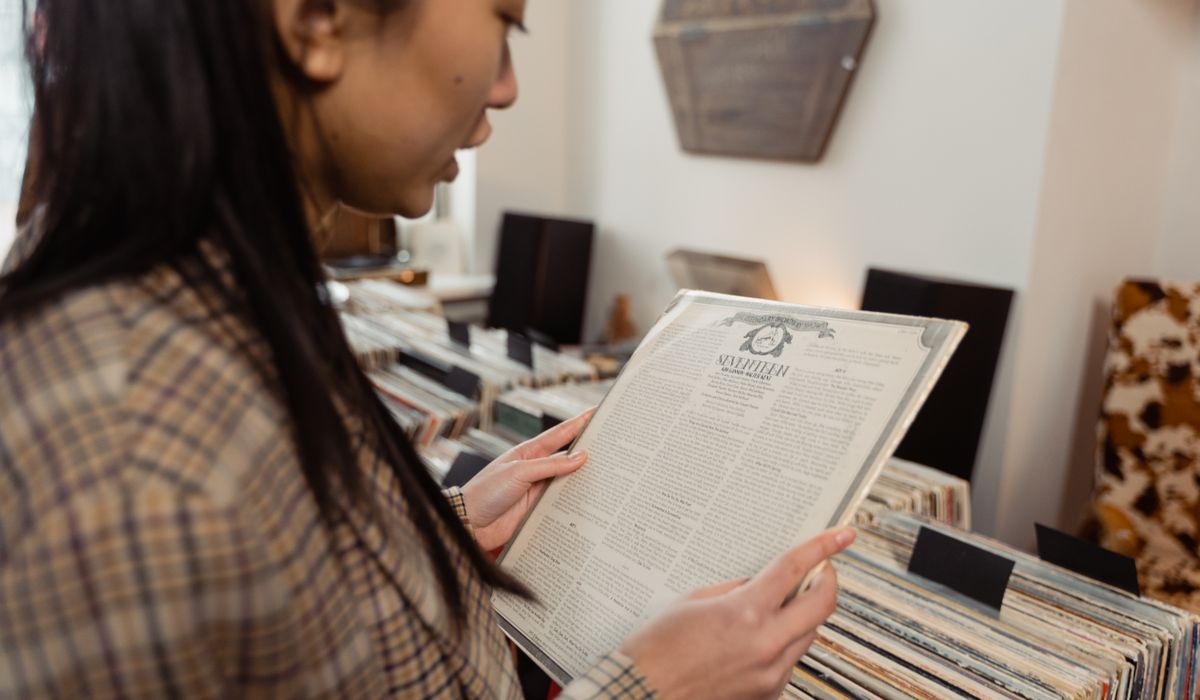
The Dawn of the British LP Sleeve
When the 12-inch long-playing record arrived in Britain in the early 1950s, it was initially housed in a plain, unadorned paper sleeve. But it didn’t take long for British designers to realise that the large format offered a canvas like no other. By the late 1950s and early 1960s, record companies began commissioning artists and photographers to create striking covers that would catch the eye in a crowded shop rack. These early sleeves were often simple but bold, using strong colours and clear typography. They set the stage for a revolution in visual identity.
For today’s collector, these early British pressings are highly sought after. The cover art is not just decoration; it is a historical document. When you find one, check for ring wear, corner creases, and discolouration. A clean, bright cover can significantly enhance the value of the record inside.
The Gatefold and the Art of Immersion
The gatefold sleeve, which opens like a book to reveal a double-width image or extra panels, became a defining feature of British album art in the late 1960s and 1970s. Progressive rock and concept albums embraced the format, using the extra space for lyrics, elaborate illustrations, and liner notes. Designers challenged expectations by making the cover an integral part of the listening experience—something you could pore over while the record played.
From a practical perspective, gatefold sleeves are more vulnerable to damage. The spine and hinges can split, and the extra panels can become creased. When storing them, always use a sturdy outer sleeve and avoid overfilling your shelf. Handle gatefolds by the edges, supporting the centre fold, to prevent tears.
Punk and the DIY Aesthetic
In the late 1970s, punk turned British cover art on its head. Gone were the glossy, expensive gatefolds; in came stark, confrontational graphics, often made with scissors, glue, and a photocopier. Ransom-note lettering, high-contrast black and white, and deliberately shocking imagery became the norm. These covers were designed to provoke, and they succeeded. They also democratised design—suddenly, anyone could make a sleeve.
For collectors, punk covers present a different challenge. Many were printed in small runs on cheap card, so they are prone to yellowing, ring wear, and seam splits. But some wear can be part of the charm, a sign of the record’s history. Still, if you want to preserve them, store them in acid-free inner sleeves and keep them out of direct sunlight.
Preserving Your Covers: Storage and Handling
Record care is not just about the vinyl; the cover is equally important. Here are some practical steps to keep your British album art in good shape:
- Use outer sleeves: A clear polyethylene outer sleeve protects against dust, scuffs, and moisture. Avoid PVC sleeves, which can off-gas and damage the cover over time.
- Store vertically: Always stand your records upright, like books on a shelf. Stacking them flat can cause warping and ring wear.
- Control the environment: Keep your collection in a cool, dry place away from radiators and direct sunlight. Humidity can cause mould, while heat can warp vinyl and fade covers.
- Handle with care: Hold covers by the edges, never by the spine or with oily fingers. Clean your hands before handling.
If you notice a seam split, you can repair it with a thin line of acid-free glue, but only if you are confident. Otherwise, leave it to a professional restorer.
The Home Listening Ritual
There is something special about playing a vintage British record at home. The ritual begins with selecting the sleeve from your shelf, admiring the art, sliding out the inner sleeve, and gently placing the vinyl on the turntable. To get the best sound, ensure your stylus is clean and your records are free of dust. Use a carbon-fibre brush before each play, and consider a wet-cleaning method for deeper grime.
Displaying your covers can enhance the experience. A now-playing stand lets you show off the art while you listen, and framing a favourite sleeve turns it into a piece of art. But be careful: direct sunlight will fade colours. Rotate your displays to limit exposure.
Collecting with an Eye for Design
When building a collection of British vinyl, let the cover art guide you. Look for first pressings with original artwork, gatefold sleeves with intact inserts, and designs that reflect a particular era or movement. Condition is key: a near-mint cover can double the value of a record. But ultimately, collect what you love. The evolution of British album cover art is a story of creativity, rebellion, and craftsmanship. By caring for your records and listening with attention, you become part of that story.
LEAVE A COMMENT