
How Northern Soul Shaped UK Dance Culture
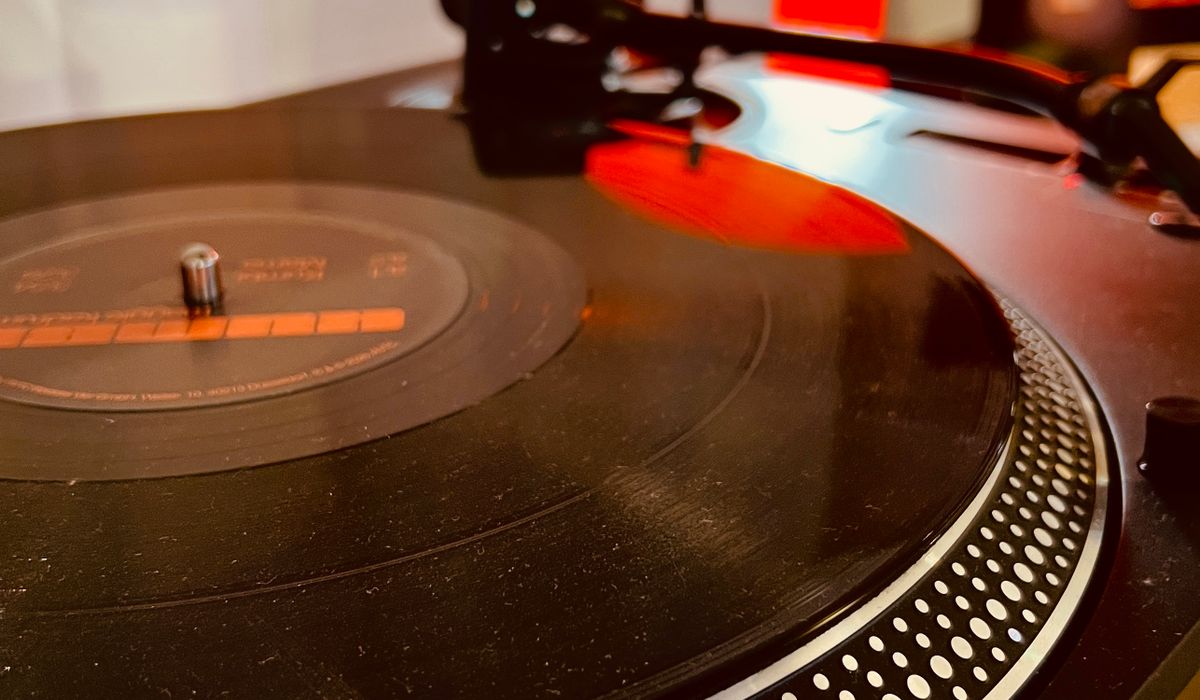
Start With the Cartridge, Not the Stylus
The stylus is the only part of your system that actually touches the record, so it deserves more thought than most of us give it. But you cannot simply buy "a stylus" — it has to fit the cartridge body already bolted to your tonearm. Before ordering anything, find the cartridge's model number, usually printed on the top, side or front of the body. If you cannot read it in situ, photograph the cartridge from a couple of angles before you unplug anything, because once the headshell is off it is easy to lose track of what you had.
Most cartridges belong to a family, and the maker's replacement stylus for that family will slot straight into the body. Generic "one size fits all" styli are a false economy: compliance, tip geometry and fit are all approximate, and a poorly seated stylus can mistrack and chew grooves. Note also that most moving magnet cartridges have user-replaceable styli, whilst many moving coil designs do not — those need a specialist re-tip or rebuild rather than a plug-in replacement.
Stylus Shapes: What You Pay For
Replacement styli for the same cartridge often come in several profiles, and the shape is where most of the money goes. Roughly in ascending order of cost and refinement:
- Conical: cheap, forgiving of alignment errors and slightly worn records, but it struggles to trace high frequencies.
- Elliptical: the sensible middle ground, tracing more of the groove wall for better detail and stereo imaging.
- Fine line and microline: longer, thinner contact patches that ride higher in the groove, above much of the accumulated wear, with superb inner-groove tracking.
- Shibata and similar advanced profiles: comparable benefits, popular for good reason, but sensitive to setup.
A finer profile tends to give cleaner treble, less inner-groove distortion and lower surface noise — but it demands careful alignment and genuinely clean records. If your turntable has a fixed, basic tonearm, a modest elliptical is often the sweet spot.
Tracking Force: Follow the Cartridge's Range
Every cartridge is designed to track within a stated range, typically about 1.5 to 2.5 grams for common moving magnet designs. Stay inside that window and set it near the middle to begin with. Do not run lighter than the minimum in the belief that you are being kind to your records: too little force is worse than too much, because the stylus rattles in the groove rather than riding it steadily.
Set tracking force with a proper gauge rather than trusting the dial on the counterweight, which drifts with age. Balance the arm so it floats level first, dial in the force, and confirm the figure with the gauge. Match the anti-skate to roughly the same value, then fine-tune by ear.
Fitting and Aligning the New Stylus
Power the turntable off at the wall and remove the headshell if it is a bayonet fitting. Old styli normally pull down and away from the body with gentle, even pressure — never twist, as the cantilever bends easily. Seat the replacement with light finger pressure until it sits fully home. Then check the basics: overhang and alignment against the turntable's own gauge or protractor, vertical tracking angle with the arm roughly parallel to the record, and azimuth so the stylus sits square in the groove. Play a familiar, clean record first, and allow a few hours for the new tip to settle in before you judge it.
Spotting Wear Before It Damages Records
A stylus is a consumable. Expect roughly 500 to 1,000 hours of playing time, less if you track heavy with a conical tip, more from a well-cared-for fine line. The warning signs are usually gradual:
- sibilance on "s" sounds that was not there before;
- distortion at the end of a side that used to play cleanly;
- a sudden channel imbalance or a dulled top end;
- mistracking on loud passages the cartridge previously handled.
Inspect the tip occasionally with a small magnifier in good light and look for a flattened or chipped contact area. If in doubt, replace it. Noting the date and hours on each stylus makes the decision simple, and a fresh tip is far cheaper than replacing treasured records.
Everyday Habits for Home Listening
Good habits cost nothing. Keep records clean with a carbon fibre brush before each side, and brush the stylus from back to front with a soft stylus brush after every few sides. Use a dedicated stylus cleaning fluid sparingly and never a household solvent. Do not blow on the tip or use a fingertip, both of which add oils. Always lower the arm with the cueing lever, and lift it before switching the turntable off or changing a record. Return the arm to its rest and clamp it when you have finished, and close the lid to keep dust off. Clean records and a correctly set stylus will keep the groove — and your listening — in good shape for years.
LEAVE A COMMENT