
What to Look For in a Box of Old Records
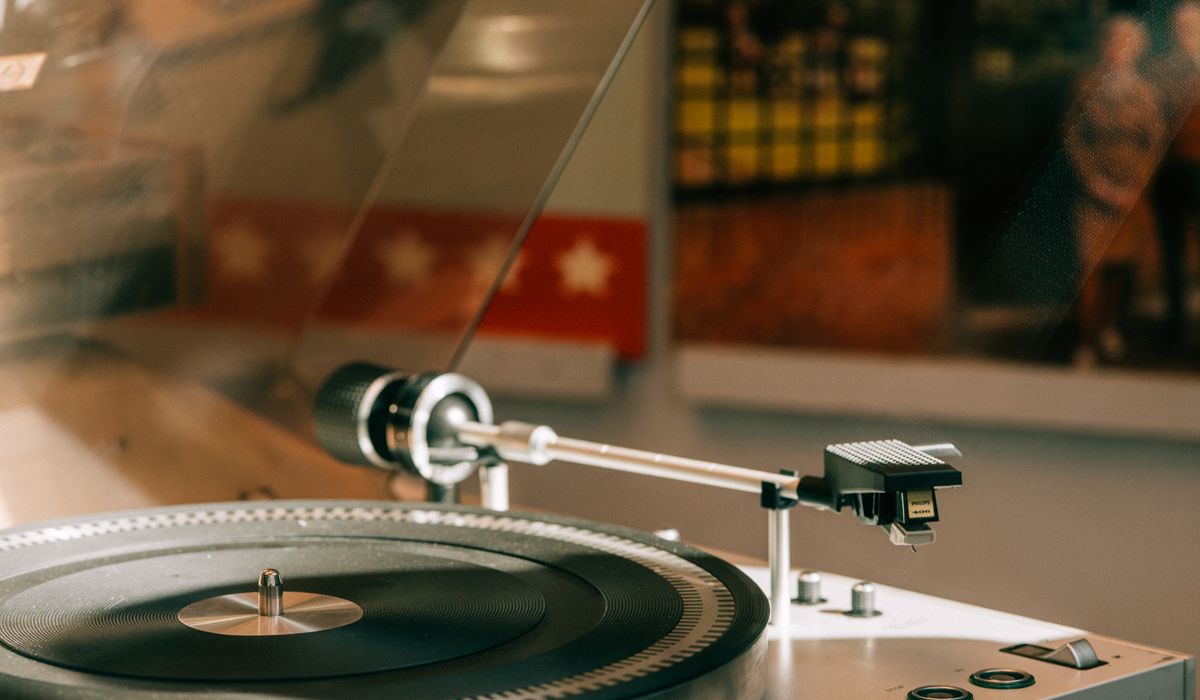
For anyone who collects vintage vinyl, the British beat boom of the early to mid-Sixties is a golden seam. It was a time when guitar-driven groups sprang up in every town, when a seven-inch single could change a young band’s fortunes overnight, and when the airwaves crackled with a new kind of energy. The records that emerged from this era still sound vibrant today, and collecting them – then caring for them properly and playing them at home – is a rewarding pursuit.
The Dance Hall Circuit: Where the Beat Was Forged
Before they ever entered a recording studio, most beat groups learned their craft on the live circuit. Local dance halls, ballrooms, church halls and working men’s clubs provided a stage seven nights a week. These venues were the proving grounds. A group might play four sets a night, six nights a week, honing tight arrangements, testing new material and building a loyal following. The atmosphere was electric, and the demand for dancing was insatiable.
For collectors, this heritage adds context. A 1963 single by a group from, say, Manchester or Birmingham carries the weight of those sweaty, packed halls. A promotional copy or demo pressing holds a piece of that live history. Look after the sleeve as carefully as the record itself – original dance hall-era picture sleeves are often rarer than the vinyl inside.
Independent Labels and the 7-Inch Single
The major labels were initially slow to grasp the beat boom. That left a gap for independent labels. These independents would record a group quickly, press a run of 45s, and distribute them to local shops and jukebox operators. Many of these records were made in small batches, sometimes just a few hundred copies. Today they are highly sought after.
When collecting Sixties beat 45s, pay attention to the details. Matrix numbers stamped in the dead wax, label variations, and the quality of the pressing all matter. Independent pressings can be noisy – the vinyl might be thin, and the grooves can be worn – but that raw edge is part of the charm. Always check for deep scratches and warping before you buy, and remember that a clean copy will always outperform a rare but battered one.
- Inspect the dead wax: look for hand-etched matrix numbers, which can indicate an early pressing.
- Check the label: independent labels often had simple, no-frills designs – a good sign of authenticity.
- Beware of reissues: later repressings can look similar but lack the original’s sonic character.
Pirate Radio: The Soundtrack of the Sixties
If the dance halls provided the stage, pirate radio provided the megaphone. From 1964 onwards, offshore stations broadcasting from ships anchored just outside British territorial waters played the beat groups that the national broadcaster ignored. These stations had huge audiences, especially among teenagers. Suddenly, a band from Liverpool or London could be heard across the country without a major label behind them.
The impact on record sales was enormous. A single played heavily on pirate radio could climb the charts within weeks, driving demand for the vinyl itself. Collectors today prize records that carry a pirate radio connection – perhaps a station stamp on the label, or a promotional insert. More importantly, the pirate era shaped listening habits: it taught a generation to seek out new sounds, to tune in religiously, and to buy the records that mattered.
Caring for Your Sixties Vinyl
Sixties records are now sixty years old. Even the best-kept copies will have picked up some dust and static. Proper care is essential if you want to preserve both the sound and the value. Here are the essentials:
- Clean before every play: use a carbon fibre brush to remove surface dust. For deeper cleaning, a vacuum machine is ideal, but a distilled water rinse with a drop of surfactant works well.
- Store vertically: never stack records flat. Shelve them upright, not too tightly packed, in a cool, dry place away from direct sunlight and radiators.
- Use anti-static inner sleeves: replace any old, acidic paper sleeves with high-quality polyethylene or rice paper inner sleeves. Keep the original sleeve separately if it’s part of the artwork.
- Handle by the edges: oils from your fingers can damage the grooves. Always hold the record by its edge and the label.
- Check your stylus: a worn or dirty stylus will ruin your records. Clean it regularly with a stylus brush and replace it according to the manufacturer’s recommendation.
Setting Up for Home Listening
There is nothing quite like the warmth of a Sixties beat single spinning on a good turntable. To get the best from these records, you don’t need to spend a fortune, but you do need a few basics. A turntable with a properly aligned cartridge – a moving magnet type is fine – and a tracking force set within the cartridge’s recommended range will track even worn grooves safely. For mono pressings, engage your amp’s mono switch to cancel vertical noise.
Speakers should be placed at ear height, away from the turntable to avoid feedback. And don’t be afraid of a little surface noise – it’s part of the character. Many collectors find that original Sixties pressings, even with a few crackles, convey the energy of the era far better than pristine digital remasters. So put on a record, turn it up, and let that guitar-driven sound fill the room. The beat goes on.
LEAVE A COMMENT